One minute explanation of refrigerated truck classification standard requirements
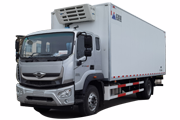
With the gradual increase of the market share of refrigerated vehicles, the demand for relevant professional knowledge of refrigerated vehicles has become stronger. Recently, I received an inquiry from a user. What do D, E and F refrigerated vehicles mean? Now let's popularize the classification standard requirements for refrigerated trucks.
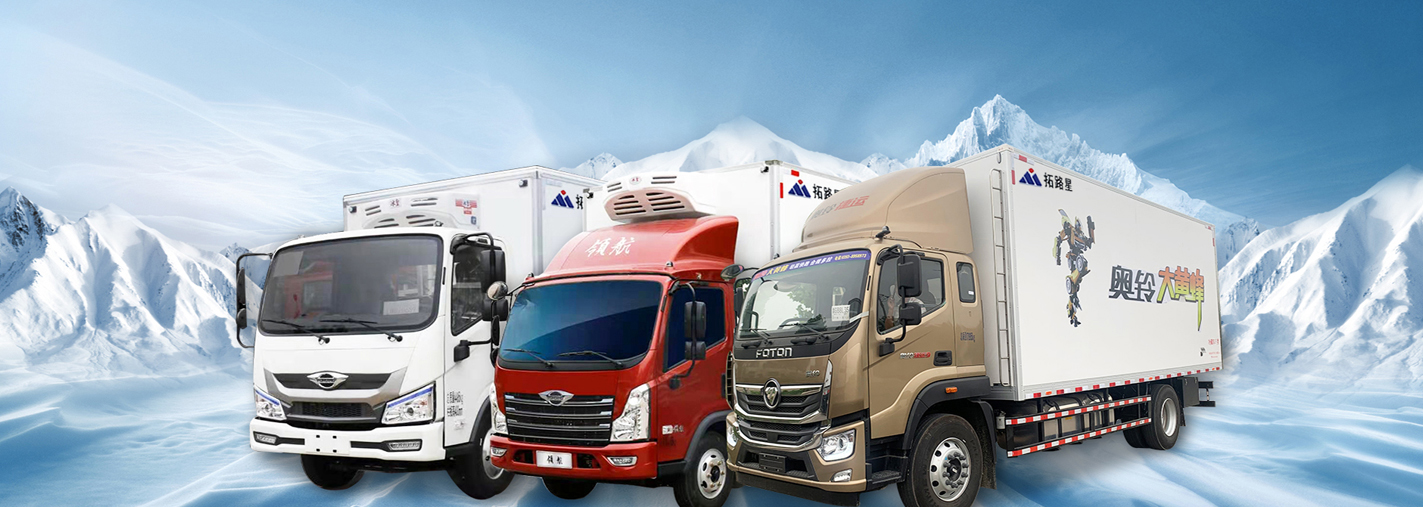
A refrigerated truck is a van equipped with a refrigerated truck device. Road refrigerated transport vehicles can be classified into eight grades: A, B, C, D, E, F, G and H according to the matching requirements and transport categories of vehicles and mechanical refrigerators used. When the ambient temperature is 303 K (30), the cold air shall have the ability to keep the blank internal temperature ti below the temperature specified in the standards of each grade through the mechanical refrigeration equipment equipped with the cold air. Including:
Class A: T 285-273K (12-0);
Class B: T 285-263K (12-10);
Grade C: T 285-253K (12-20);
Class D: T273K (0);
Class E: T263K (- 10);
Class F: T258K (- 18).
Grade G: T 275-283K (2~8);
Class H: T253K (- 20);
According to the classification of refrigerated vehicles, there are 8 categories from a to h.
For refrigerated vehicles transporting perishable food: when the ambient temperature is 30 ° C, the refrigerated vehicles are divided into the following six categories according to the temperature range maintained by the average temperature in the compartment:
The first is frozen food, such as frozen meat, aquatic products, frozen food, etc. These foods generally need to be kept below - 18 ° C and can be stored for several months to 10 months. During the scheduled transportation of these foods, it is only necessary to set the body temperature to - 18 ° C, without strictly controlling the accuracy of temperature fluctuations. This kind of food will be transported in F class refrigerated trucks.
The second category is refrigerated food, such as cold meat, aquatic products, eggs, etc. The transportation temperature of this kind of food requires that the lower the temperature is, the better on the premise that the food is not frozen. That is, close to below 0 ° C. This kind of food should be transported in refrigerated trucks of grade D, E and F. The transportation temperature of some canned foods is about - 5 ° C, and they are transported by refrigerated trucks of E and F.
The third category is vegetables and fruits. The transportation of this kind of food is more complicated in refrigerated transportation. First of all, the temperature requirements for various vegetables or fruits are different. Secondly, many vegetables and fruits have high requirements for temperature fluctuation, and can not deviate from the set temperature too much. Third, vegetables and fruits need to breathe after they are collected, so breathing is hot, so refrigerated trucks are required to provide more cooling capacity. In addition, this kind of food also requires relative humidity. Therefore, starting from A, Class F refrigerated trucks can be used for the transportation of vegetables and fruits in principle, but the carrier's technology and experience are very important. Fourth, medical and biological products and in vitro diagnostic reagents, that is, temperature sensitive drugs, especially those required to be stored and transported at 2~8 ℃ or below - 18 ℃.