Chinese Trucks Should Develop towards Special Purpose Vehicles
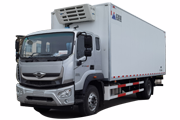
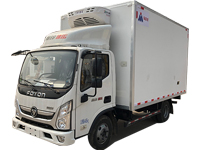
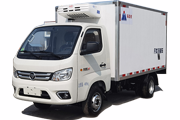
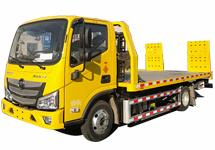
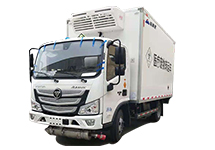
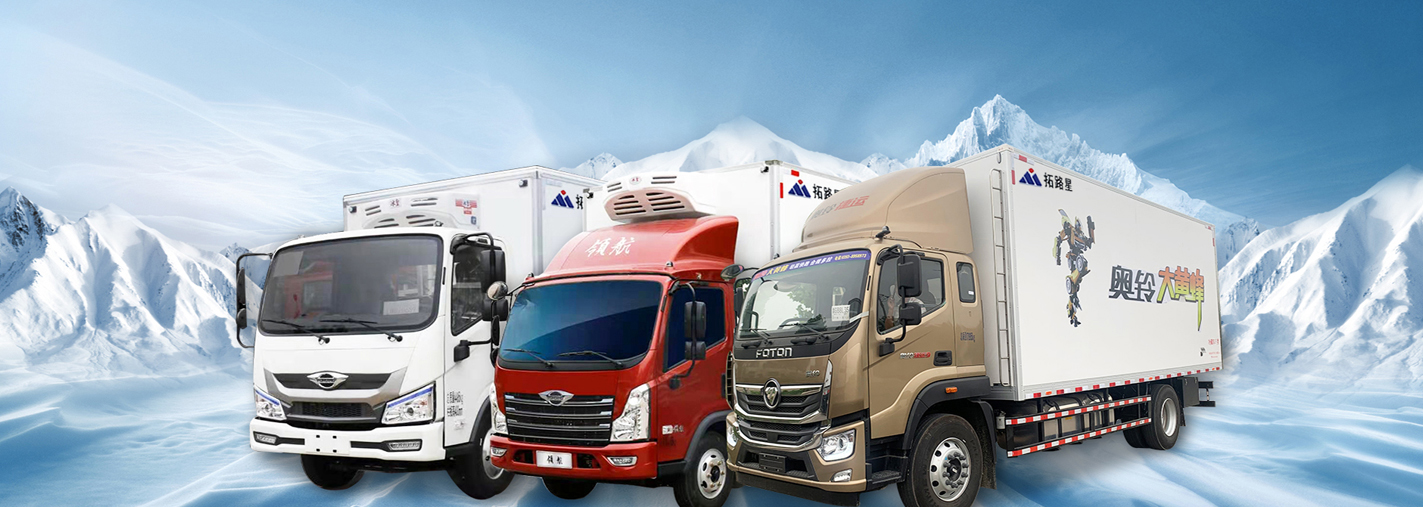
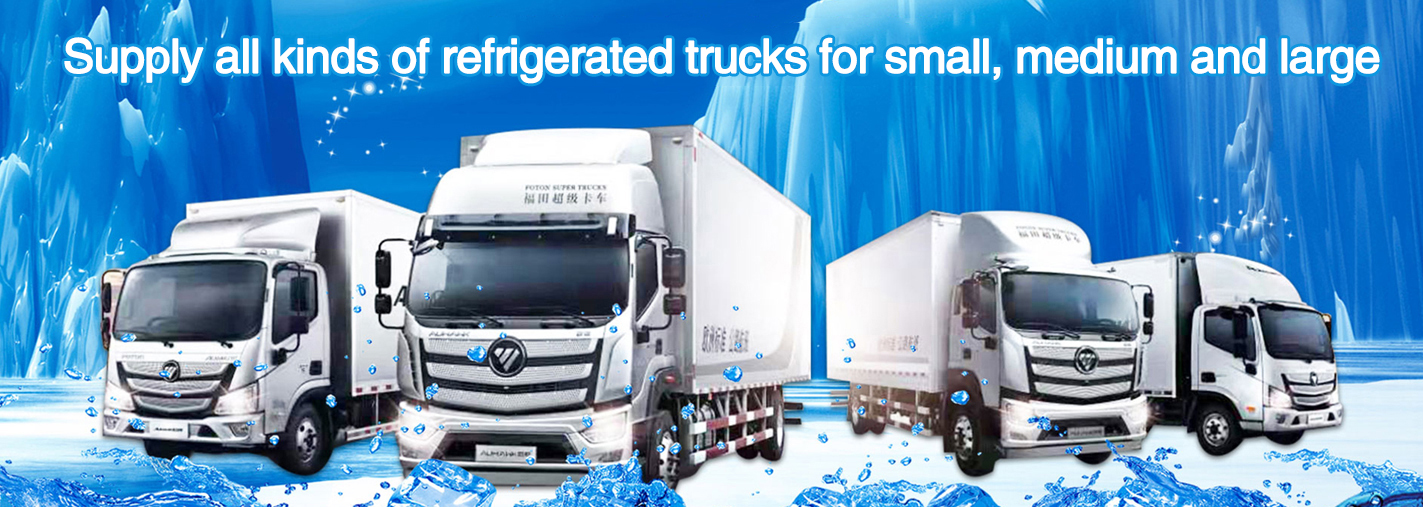
The specialization rate of foreign trucks is about 70%, and China's heavy trucks and trucks still exist in the form of cargo boxes. In the future, China's trucks should strengthen their specialization and highlight their specialization characteristics to promote the development of special vehicles. In addition, compared with foreign countries, China's truck industry has a long way to go in terms of informatization and logistics, and needs to step up the catch up and improve the corresponding technical level
On October 15, 2010, the 2010 China (Jinan) International Truck and Components Exhibition opened in Jinan International Convention and Exhibition Center. While demonstrating new technologies and products, many truck enterprises also launched new products focusing on lightweight, natural gas and other technologies. Jia Xinguang, an expert in the automobile industry, said in an interview with the reporter of China Commercial Automobile Network that: at present, the use of new energy technology for trucks is still a difficult topic. Electric trucks are not realistic, but we can try to promote and improve the new energy technology for trucks from multiple paths such as natural gas, lightweight, hybrid power, and program addition.
According to a statistical data from the Ministry of Communications, the unit freight transportation mileage in China is increasing year by year. The resulting long-distance transportation also means that in the next few years, the demand for high-end freight trucks in the Chinese market will start to surge.
Jia Xinguang said in an interview with the reporter of China Commercial Automobile Network that at present, China's truck industry is developing rapidly and its output has reached the world level, but there is still a big gap between the development of China's truck industry and that of foreign countries.
The first is engine technology. Foreign countries have implemented Euro V emission standards, while China still implements Euro III emission standards. Because engines have very high requirements for fuel, this is still a high threshold for related industries. Secondly, in terms of specialization, the specialization rate of foreign trucks is about 70%, while a large number of trucks in China still exist in the form of cargo boxes. In the future, China's trucks should strengthen their specialization and highlight the characteristics of specialization to promote the development of special vehicles. In addition, compared with foreign countries, China's truck industry has a long way to go in terms of informatization and logistics, and needs to step up the catch up and improve the corresponding technical level.
Jia Xinguang also mentioned that some Chinese truck enterprises have made great achievements in improving vehicle products through joint ventures and cooperation with transnational enterprises. For example, CNHTC cooperated with MAN in capital, technology, operation and other aspects to achieve the overall upgrading of CNHTC. This will also provide stable technical support for the development of CNHTC in the next 10 to 20 years, greatly accelerate the pace of enterprise technology development, and truly establish an international platform for heavy truck technology.